Readers are really benefiting from all of the independent publishing. You like dark romance, you have your choice of how dark. Want a romantic comedy? Yep, you bet your sweet bippy they’re out there. How about erotica? What type? BDSM? Of course, sir. Age play? Yes, Papa. Have a fetish? There’s a book out there for you. Historical or paranormal? Or both? Or everything above? Goodness, yes.
I love all kinds of romances, but I’m still old fashioned about one thing. My heroine or hero (read or write) cannot be married to another when the relationship is starting up or going on. Oh, yes, there are romances out there like that. Crazy, heh?
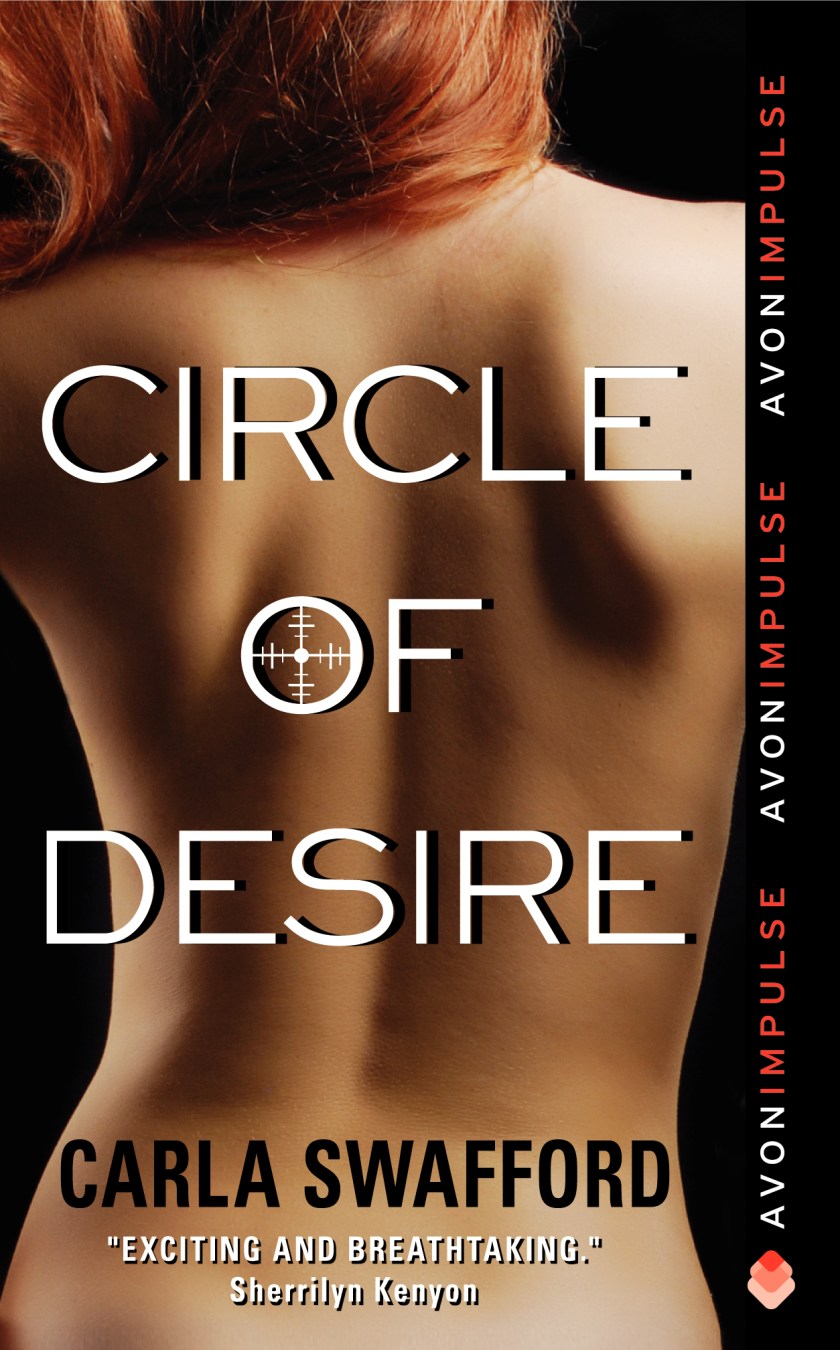
 I love marriages of convenience (historical or contemporary), male – female spy teams, cowboys (historical or contemporary), and reverse roles (like my book Circle of Desire, the heroine was the dangerous assassin). Most of my reading and writing is dark, though I do enjoy reading romantic comedy on occasion. But the hero or heroine cannot be or act stupid. Bad or dumb luck is okay.
As I like to do every once in a while, here are some recommendations.
Lucas: A Cold Fury Hockey Novel By Sawyer Bennett: I do love this series. This book is one of her best. Such an unusual heroine. She has issues I can relate to. A great guy hero. Sweet story. Don’t get me wrong, it’s hot. Just lots of feels.
Alien Slave Master series by Samantha Cayto (The Captain’s Pet, The Rebellious Pet, The Untamed Pet, The Captive Pet, The Inconvenient Pet, The Undercover Pet.) Now be aware, these are not for everyone. So go with caution. Be sure to read the excerpts the on-line booksellers provide. The author did a great job on the emotions, and there was a wide spectrum.
I’m presently listening to the audio of Louise Bay’s The Empire State Series: A Week in New York, Autumn in London, and New Year in Manhattan. Lots of sex, but it doesn’t get monotonous. Good narrators and just an enjoyable story. Ms. Bay continues to make me happy.
I have mixed feelings about the dark romance (audio) Echo: A Dark Billionaire Romance (Bleeding Hearts Book 1) by A. Zavarelli. In one of my earlier recommendations, I mentioned some of her books. (Love Ghost.) This one . . . I liked but it went off in left field a few times. Still I enjoy this author’s unusual characters. I might get the second book’s audio. Still debating.
Her book, The Beast, no. It was too much of everything — too dark — and I read some crazy stuff. If you decide to check it out, be aware the male lead rapes the female. Multiple times. I just can’t call him a hero. Then again that might be your thing. You’ve been warned. I feel this is one of her older books she released after some/a lot success from her newer ones. Then again, what do I know. By the way, I listened to the audio and wasn’t too happy with the narrator.
Speaking of the narrator, for the last two books mentioned, she had a lilt at the end of every sentence. Bug the crap out of me. I guess I’ll stick to reading A. Zavarelli’s books, instead of listening to them.